
There’s a crack in everything
That’s how the light gets in
~ Leonard Cohen

Therapy, Counselling, and Trauma Resolution in Nelson BC
Many feel alone with difficulty, experiencing anxiety, depression perhaps caught in a swirling mindset.
Embarking on a therapeutic journey brings a sense of renewal, strength, clarity and agency.

Release the hold of major life events & trauma’s

Cultivate deeper and more meaningful relationships

Live a more embodied life in touch with your own wisdom

Learn to feel your emotions in a healthy way
In this time we are called to enter into ourselves to discover the path beyond just surviving and deepen our sense of Self-Knowing.
What we offer

What is Somatic
Therapy
Somatic therapy is an approach to trauma resolution and human flourishing that brings the wisdom of the body into the foreground. By creating safety, goodness and self-understanding in a supportive therapeutic relationship we help clients make room for new growth and healing.
Trauma and its
resolution
Trauma happens when experiences cannot be integrated by the nervous system and psyche. Overwhelming events get walled off in the tissues of the body where they give off signals of stress and unease underneath awareness. These survival patterns are released when clients are supported relationally to touch and release what has previously been unbearable.
Building safety in a
therapeutic relationship
Effective therapeutic counselling takes place within a container of safety, warmth and respect. Here a client experiences what it’s like to be seen and understood at the level of the body’s own intelligence. Shoulders relax, breathing deepens and habitual defences fall away so that we become more available to new learning.
Building Resilience / Reconnecting to Self
The world has entered a period of increased uncertainty with geopolitical tensions, AI upheavals and widespread climate disruptions. How do we stay steady and grounded in the face of uncertainty and challenge? By learning to speak to the Sub-Cortical ( underneath thinking) parts of the brain tasked with survival and safety we can remain balanced in ourselves and able to connect with others.
Counselling
The belief that we must “soldier-on” by ourselves and figure things out on our own is strong in our culture. Counselling is a safe harbour where you can get perspective and support when navigating life’s difficult moments. Counselling is solution focused and seeks to resolve a particular concern or address a specific issue in your life.
Couples Therapy
Intimate partnerships can be a source of stability, and connection that positively influences all aspects of our lives. Yet many couples experience repeated episodes of turbulence and discord. Couples therapy helps you unhook from the relational scripts inherited from the past so you can become allies in a process of growth and deeper authenticity.
Making Contact
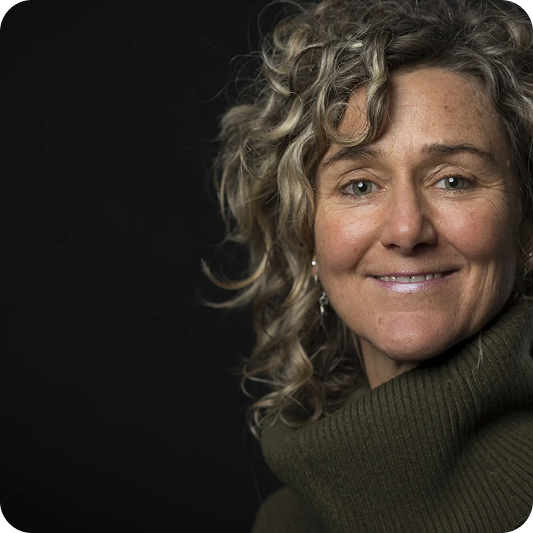
Yogita Nathalie Bouchard
Services

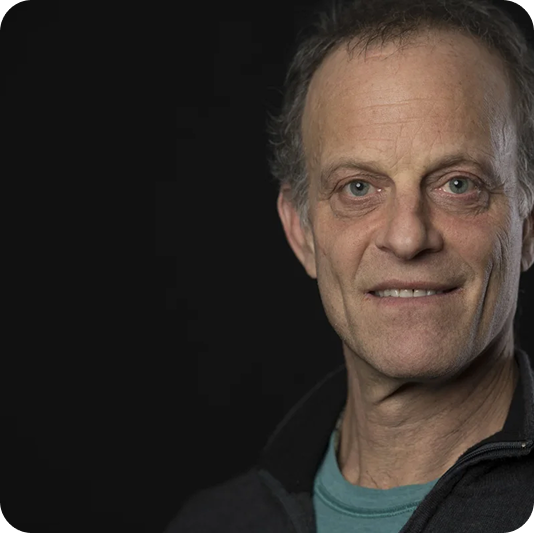
Richard Klein
Services

Frequently
Asked Questions!
Do you have any more questions, reach out to us!
We suggest you trust your own experience. Book a session and see what you notice by way of benefits?
Counselling can give you tangible support with difficulties you are experiencing. It tends to be focused upon a particular issue you may be having, or a capacity you wish to build in your life. Counselling is focused upon present experience whereas therapy tends to look at the origin of our experience in the past
Counselling creates a relationship container where difficulties can be held together, learning is facilitated and change is encouraged.
Counselling is solution focused and seeks to resolve a particular concern or address a specific issue in your life. Therapy, on the other hand, looks back in time where it seeks to bring greater understanding to how we come to organize our beliefs and experience in the ways we do, shaped by our family past. Therapy seeks to unravel the formative experiences that have made us who we are so that we can gain more freedom of choice to show-up in more life affirming ways.
There is no “one size fit’s all” answer. Counselling is more of a shorter term process that looks to resolve a particular issue you are having or focus upon building a new capacity. Perhaps something like establishing healthier boundaries in relationships, noticing how we can better meet our needs, or stop avoiding difficult yet important conversations. Therapy is more of an in-depth process that can continue over a longer time horizon. Whether you are doing counselling or therapy you are in charge of the timeline. When clients experience the freedom to show up in more authentic ways, to foster healthy reciprocal relationships and to live from a settled self-regulated nervous system, they will often decide when the counselling process or therapy they have been involved in has reached its conclusion. Our overarching goal is to have clients step into the driver’s seat of their own self-knowing. Success in this kind of work means clients moving on when they feel ready.
That can be common. Many people can feel nervous or even anxious at the beginning of meeting a counsellor or therapist. Our job is to create a relational container that feels safe and respectful so that our work together can unfold together in a good way. Once this happens what is important will tend to emerge, either out of conversation or out of your body experience.
When there is a difficulty or crisis in your life and you feel no longer willing to ignore it or put a band-aid over it, then it’s time for counselling. When you are ready to turn toward the challenges you face and get the support you need to learn how to do something different.
Different things push us toward getting help
Our relationships are problematic.
Perhaps we feel stuck, anxious, and have depression-like symptoms.
The ways we have operated are no longer working.
We need a new way of being that leaves us feeling less isolated and closed off.
This is a great question. Some people feel they have to tell their whole story in the first session or even on an intake form. But no, there is no pressure to tell your story. In time you may wish to as you become more aware of how that story has shaped you. Sometimes people need to tell their story so it can be heard and felt by another human being so that we can then put it down.
The Climate Within Us
What if the way we respond to the climate crisis depends on how connected we are – to ourselves, to each other, and the living world?
The Climate Within Us is a powerful invitation to those who feel the urgency of the moment but know that facts and action plans alone aren’t enough. Drawing on neuroscience, somatic therapy, and personal experience, Richard explores what happens when we lose touch with the wisdom of the body – and how reconnecting with that wisdom can unlock new forms of resilience, leadership, and collective healing.
At its heart, this is a book about returning: to our breath, to our relationships, to the sense of being part of something larger. Richard guides readers through the ways modern life pulls us into left-brain overdrive – constantly analyzing, solving, producing – and how this disconnect from the right hemisphere’s intuitive, relational awareness makes it harder to face a world in flux. Through grounded storytelling, science, and gentle practices, he helps us relearn what it means to be present, to feel deeply, and to lead from a place of wholeness.
Richard is a co-founder of the Youth Climate Corps of BC